Menu
Your Cart

Loose Gemstones for Jewelry Makers

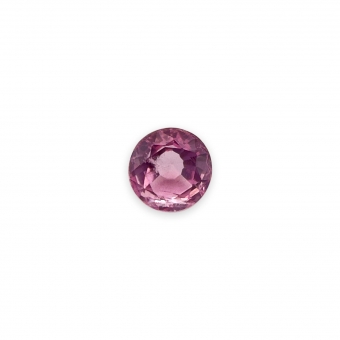
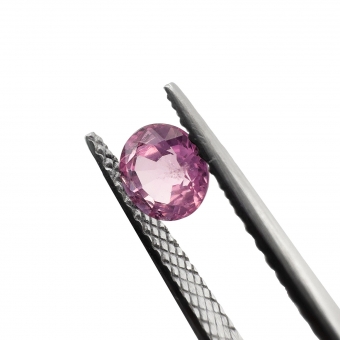
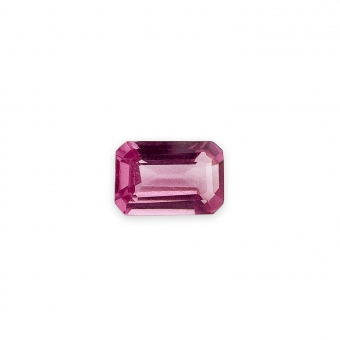
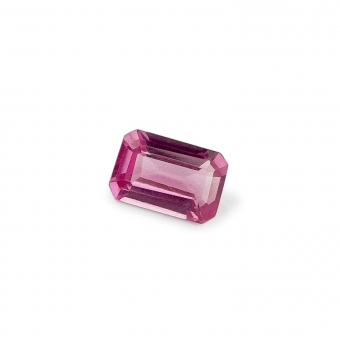
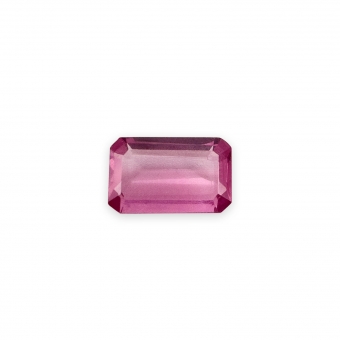
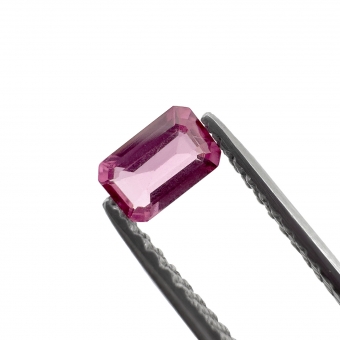
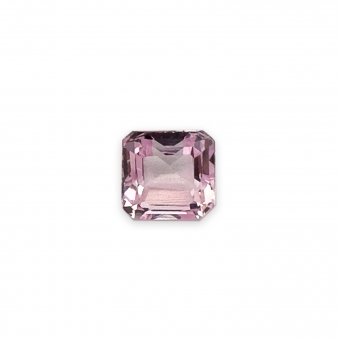
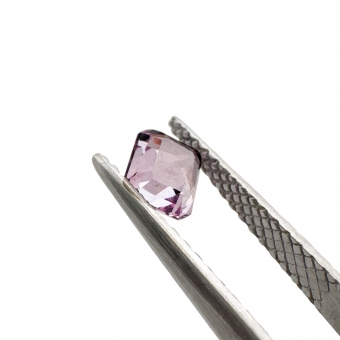
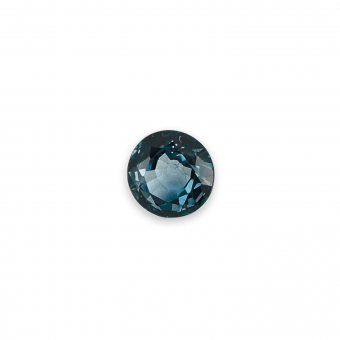
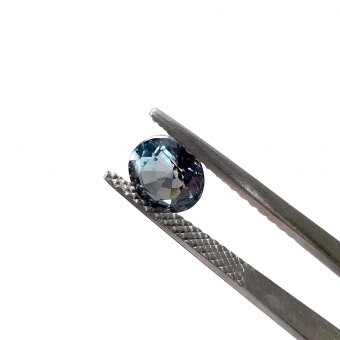
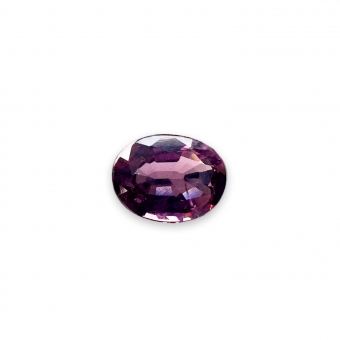
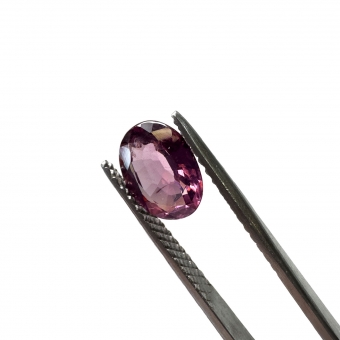
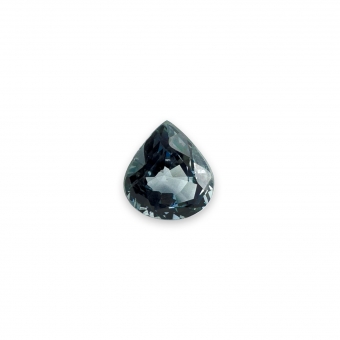
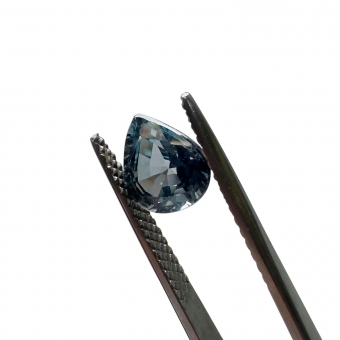
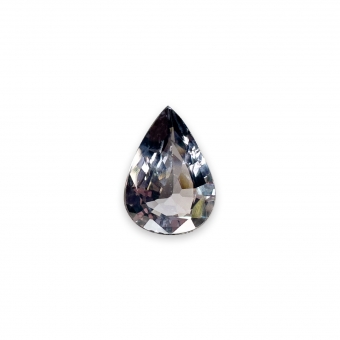
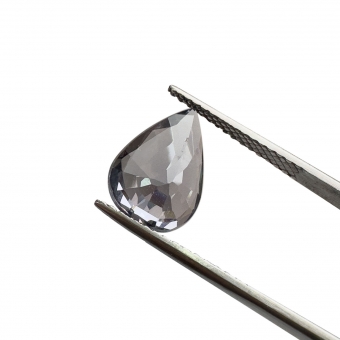
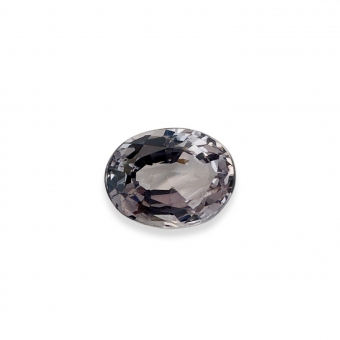
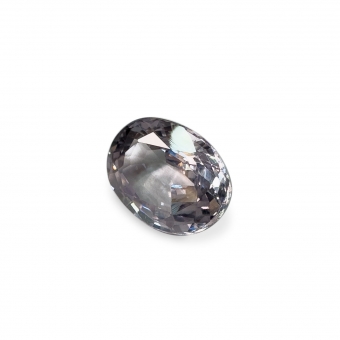
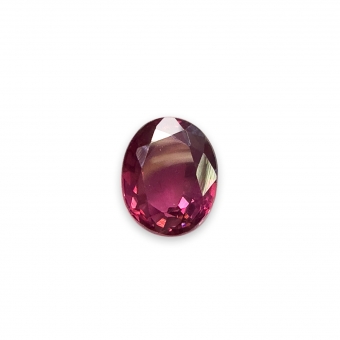
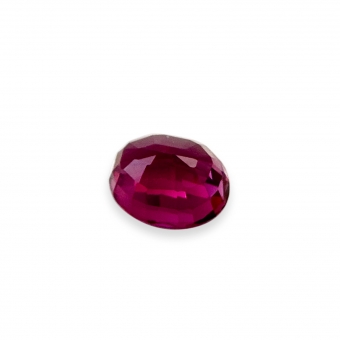
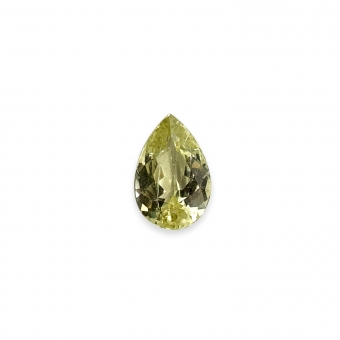
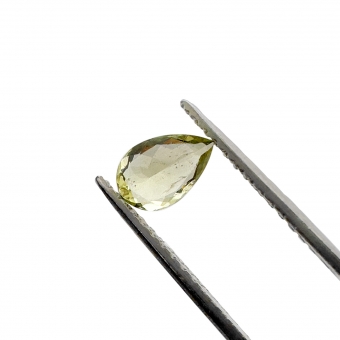
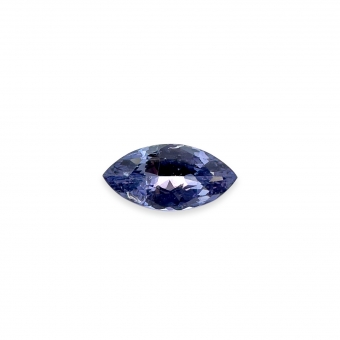
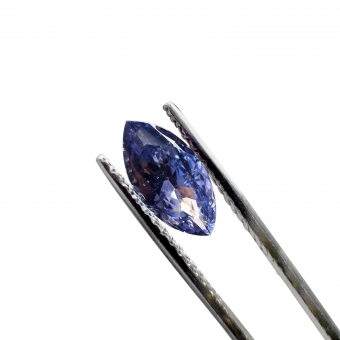
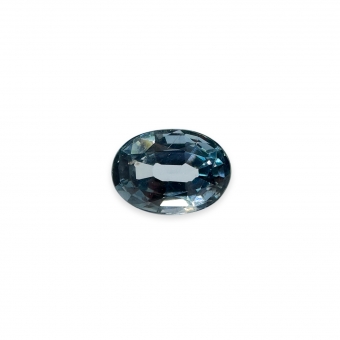
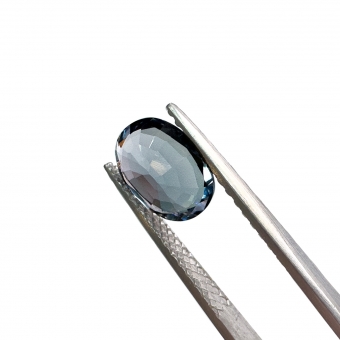
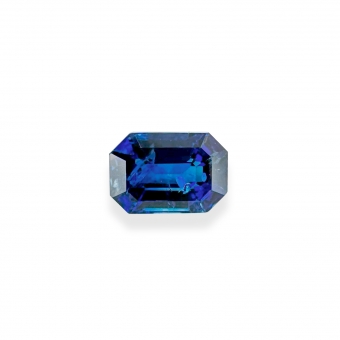
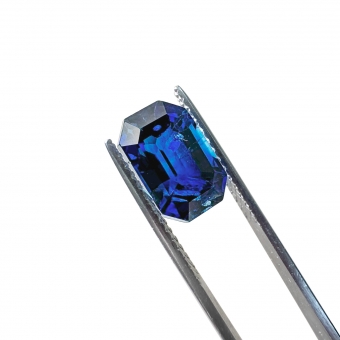
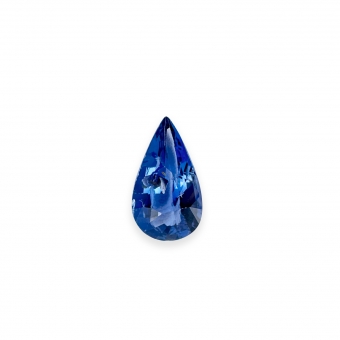
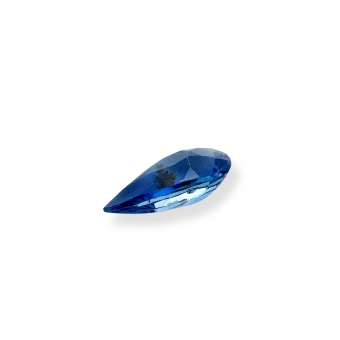
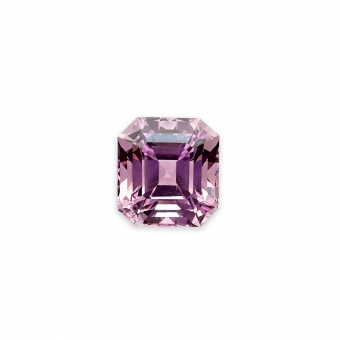
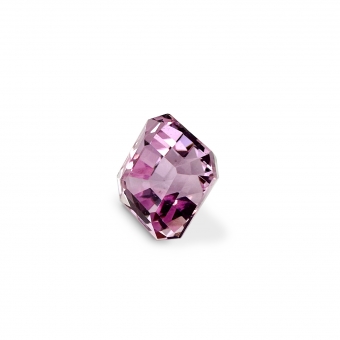
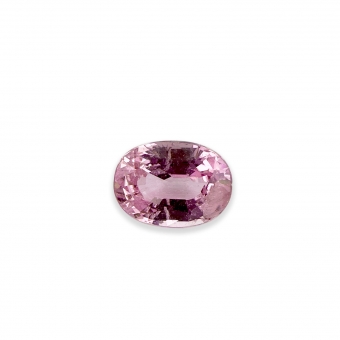
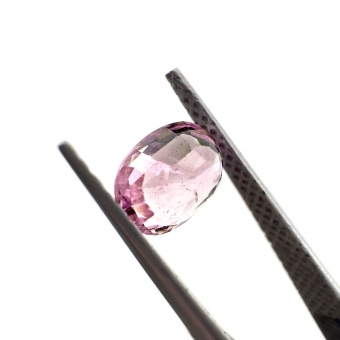
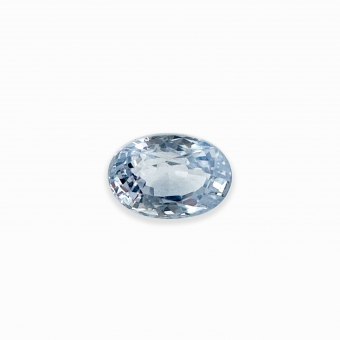
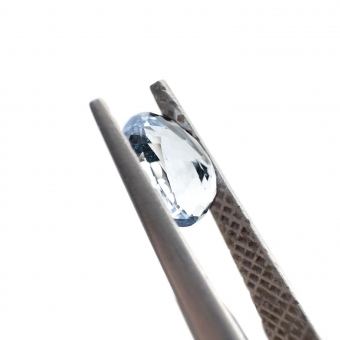
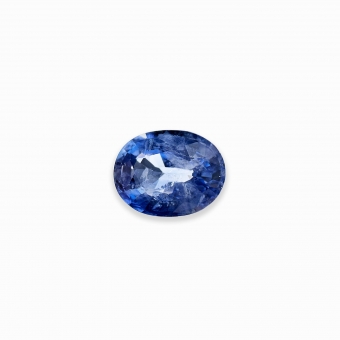
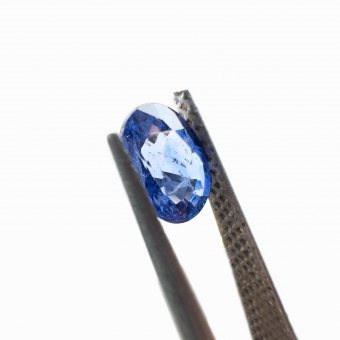
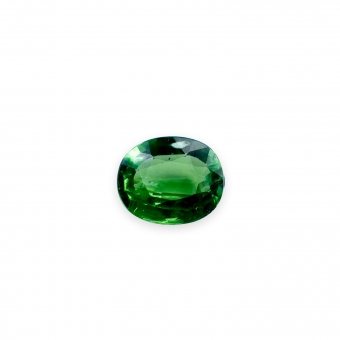
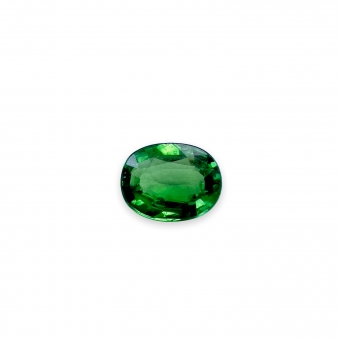
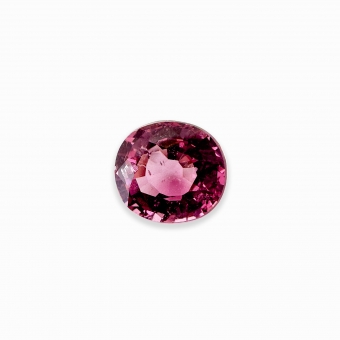
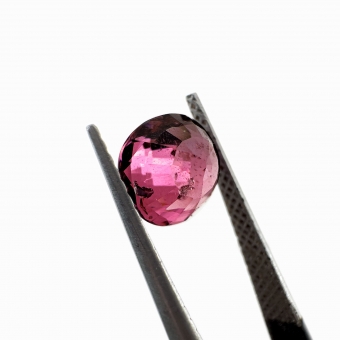
Explore loose gemstones for individual designs and jewelry collections, including spinel, sapphire, aquamarine, kunzite and tsavorite. Compare rounds, ovals, pears and step-cut stones across different colors and sizes. Use the individual listing to review the identity, cut and measurements of each gemstone.

Plan the setting around actual dimensions rather than carat weight alone, and confirm treatment information and any available laboratory report. For matching requests, provide the quantity, measurements and acceptable color range. Develop a finished piece through our custom gold jewelry manufacturing service, or explore our separate loose diamonds and matched pairs for diamond settings.

Browse Loose Gemstones

Showing 1 to 24 of 40 (2 Pages)

Select Color with the Finished Jewelry in Mind

When choosing loose gemstones, start with the appearance you want in the finished piece. A broad description such as “blue sapphire” or “pink spinel” leaves room for differences in shade, depth of color and overall appearance.

Provide a reference image and explain which qualities matter most. Are you looking for a pale pastel, a stronger color or a close match to an existing stone? A reference helps communicate your preference, although photographs and screens cannot establish an exact color match.

For earrings or a coordinated collection, specify the number of stones and acceptable variation. Matching involves more than the color name: dimensions, outline and cutting style also affect how the stones look together. Confirm availability for the required group before planning production around a single listing.
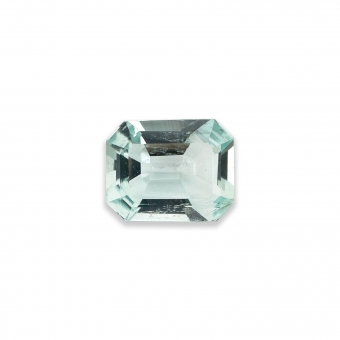
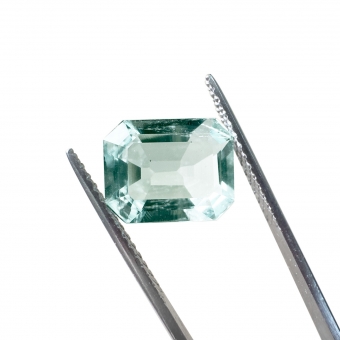
Use Measurements to Plan the Setting

Carat weight measures weight rather than physical dimensions. Stones of equal weight can have different visible sizes, particularly when comparing different gemstone materials or cutting proportions.
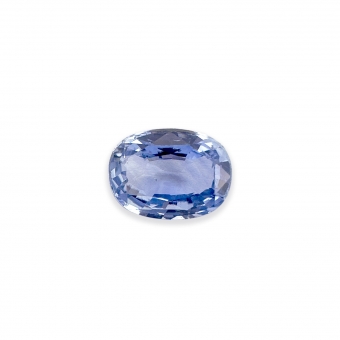
  • Existing mounting: provide its reference and available measurements, together with the stone’s length, width and depth.
  • New design: explain the intended proportions and which dimensions can change around the selected stone.
  • Pairs or sets: confirm measurements for each stone rather than relying on a combined weight.
  • Replacement stone: include images of the mounting and any remaining matching stones.

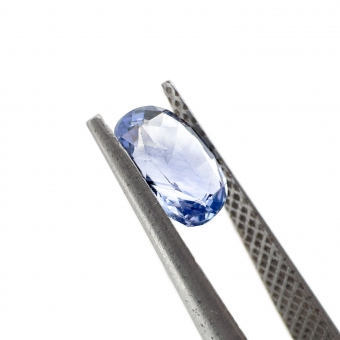
An oval, pear or step-cut description alone does not establish compatibility. The actual outline and depth need to be considered before the setting is approved.

Choose the Gemstone for How the Piece Will Be Worn

Color is only part of the decision. Scratch resistance, resistance to chipping and sensitivity to heat, light or chemicals can all affect a gemstone’s suitability and care requirements. Treatments and the condition of the individual stone may also matter.

For designs inspired by our wholesale gold rings, explain whether the finished piece is intended for frequent wear or occasional use. Discuss the setting’s protection and any exposed points or edges before choosing the stone.

For a necklace project, explore our wholesale gold pendants for design references. Confirm the intended dimensions, stone orientation and mounting requirements rather than assuming a stone suitable for one design can be transferred directly into another.

Loose Gemstone Buying FAQs

Does “natural” mean a gemstone is untreated?

No. Natural describes how the gemstone formed; it does not establish whether it has subsequently been treated. Request the available treatment information for the exact stone. If an unheated or untreated status is important to your purchase, state that requirement and ask what documentation supports it.

Is an emerald-cut gemstone necessarily an emerald?

No. Emerald cut describes a cutting style, not the gemstone’s identity. An emerald-cut spinel is still spinel. Keep the material name and cutting style separate when comparing stones and preparing your own product descriptions.
Will a laboratory report identify the gemstone’s country of origin?

Not every report includes a geographic origin opinion, and origin cannot always be determined. Check the scope and findings of the actual report. The country from which a stone is sold or shipped does not establish where it was mined. See our gemstone identification and certification information to discuss the documentation required for your order.
Can all gemstone jewelry be cleaned in the same way?

No. Cleaning suitability depends on the gemstone, any treatments, its condition and the finished setting. Ask for appropriate care guidance before using steam, ultrasonic equipment or cleaning chemicals, and pass the relevant instructions to your customers.