Buying Diamond Jewelry Wholesale: What to Compare
A photograph and a total carat weight are not enough to compare two pieces accurately. Before selecting wholesale diamond jewelry, establish what the quoted specifications describe and which components are included.
- Diamond origin: confirm whether the diamonds are natural or lab-grown, including accent stones where applicable.
- Weight breakdown: distinguish the center diamond from the combined weight of smaller stones.
- Unit of sale: check whether an earring quotation and its diamond weight refer to one piece or a pair.
- Stone specifications: request the shapes, measurements and any quoted color and clarity ranges.
- Finished jewelry: confirm the selected gold karat, color, dimensions and any separately supplied components.
Record these details beside each product code. This makes it easier to compare quotations fairly and prepare accurate descriptions for your own store.
Build a Collection Around How Customers Shop
A useful assortment gives customers clear choices. Consider the role of each design: a discreet everyday piece, a personalized gift, a coordinated accessory or a more prominent occasion purchase. Similar diamond weights can serve different purposes when the setting and overall dimensions change.
For gift selections, explore our wholesale gold pendants. Check whether the pendant is supplied alone or with a chain, and confirm that the intended chain passes through the bail. A product photograph should not be treated as confirmation that every pictured component is included.
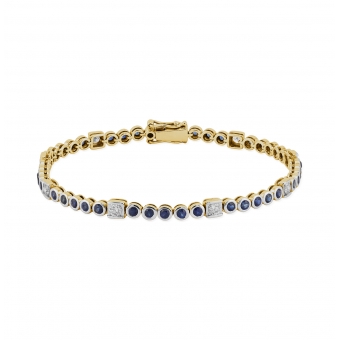
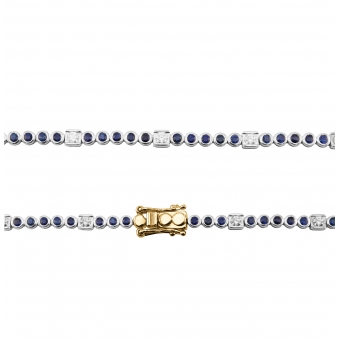
To extend the assortment to the wrist, browse our wholesale gold bracelets. Compare finished lengths, clasp arrangements and stone specifications. A bracelet and pendant can share a visual theme without being an exact matching set, so identify the specific references you want to coordinate.
Keep a Clear Reference for Repeat Orders
Once a design is approved, retain its product code and agreed specifications rather than relying on the original photograph alone. Include the gold option, finished size, diamond origin, stone sizes, quoted quality ranges and any confirmed changes.
For a collection ordered over time, explain which features need to remain consistent across later purchases. These might include the dimensions of a pendant, the appearance of a group of accent stones or the proportions of coordinated pieces. Ask what variation is expected and whether a reference sample would help establish the required result.
Wholesale Diamond Jewelry FAQs
Does total diamond weight describe the main stone?
Not necessarily. Total diamond weight combines the diamonds covered by that specification. In a multi-stone design, ask for the center stone’s weight separately. For earrings, also confirm whether the stated total applies to one earring or the complete pair.
Is every diamond supplied with an individual laboratory report?
Do not assume that every stone, particularly a small accent diamond, has an individual report. Specify your documentation requirements when requesting a quotation. We will confirm what is available for the selected stones and any additional cost. See our diamond and gemstone certification information for further details.
Can I request lab-grown diamonds in a catalog design?
Ask about the specific product code. Availability must be confirmed for the required stone shapes and dimensions. If an alternative is offered, keep its diamond origin and agreed specifications clearly identified in the quotation and your customer-facing product information.
Can the diamonds be made larger without changing the design?
A larger stone may require changes to the setting, spacing, overall dimensions or gold weight. Send the product reference and the stone measurements or appearance you want. Compatibility and any necessary design changes need to be reviewed before the revised piece can be quoted.